
Joints and Ligaments of the Pelvic Girdle
The joints of the pelvic girdle are:
1. Vertebral joints: the lumbosacral symphysis and sacrococcygeal joint , which are components of the vertebral column
2. Sacroiliac joints: which connect the sacrum to the two hip bones.
3. Public symphysis: the fibrocartilaginous joint that connects the hip bones anteriorly.
The structural stability of the pelvic ring relies primarily on the posterior sacroiliac complex. This complex includes the strong sacroiliac ligaments surrounding the sacroiliac joint, which together function like a suspension bridge1. This structure offsets the weight of the trunk onto the lower limbs and absorbs the strong shocks generated by body movement2.

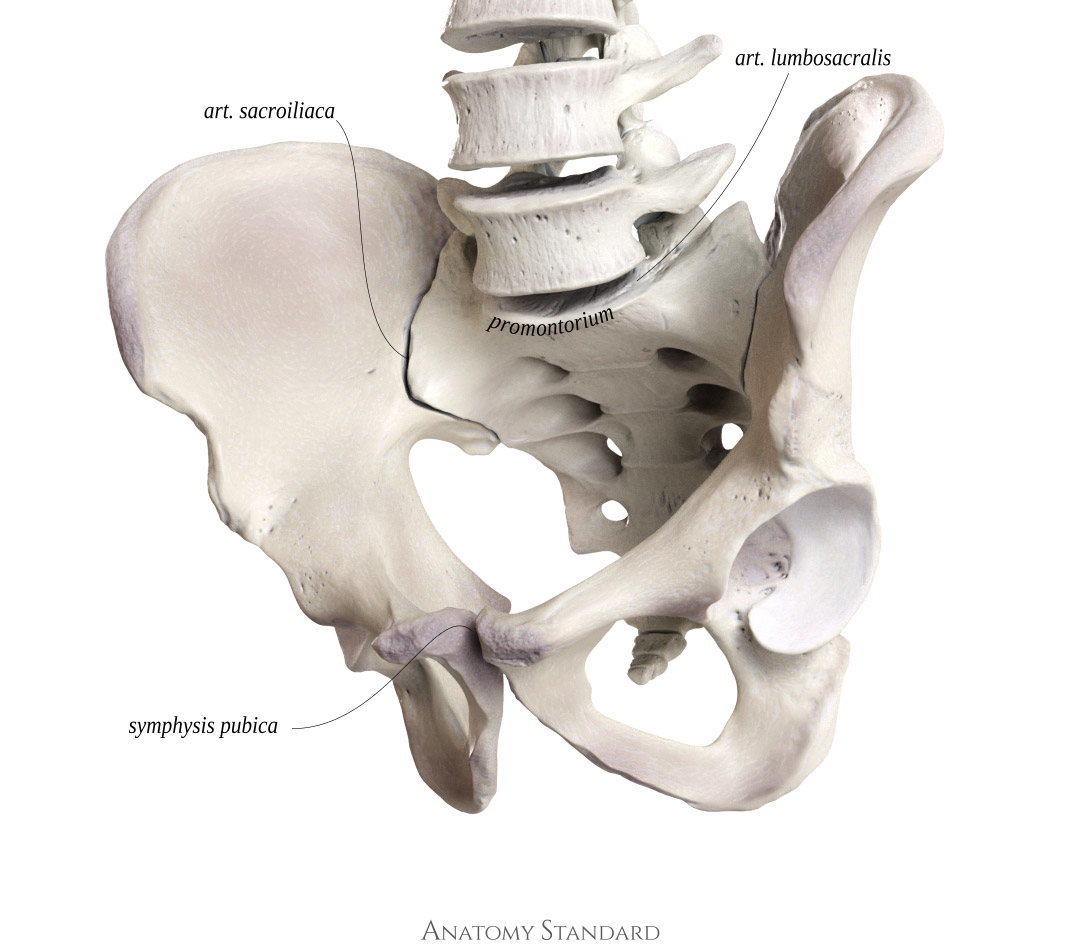
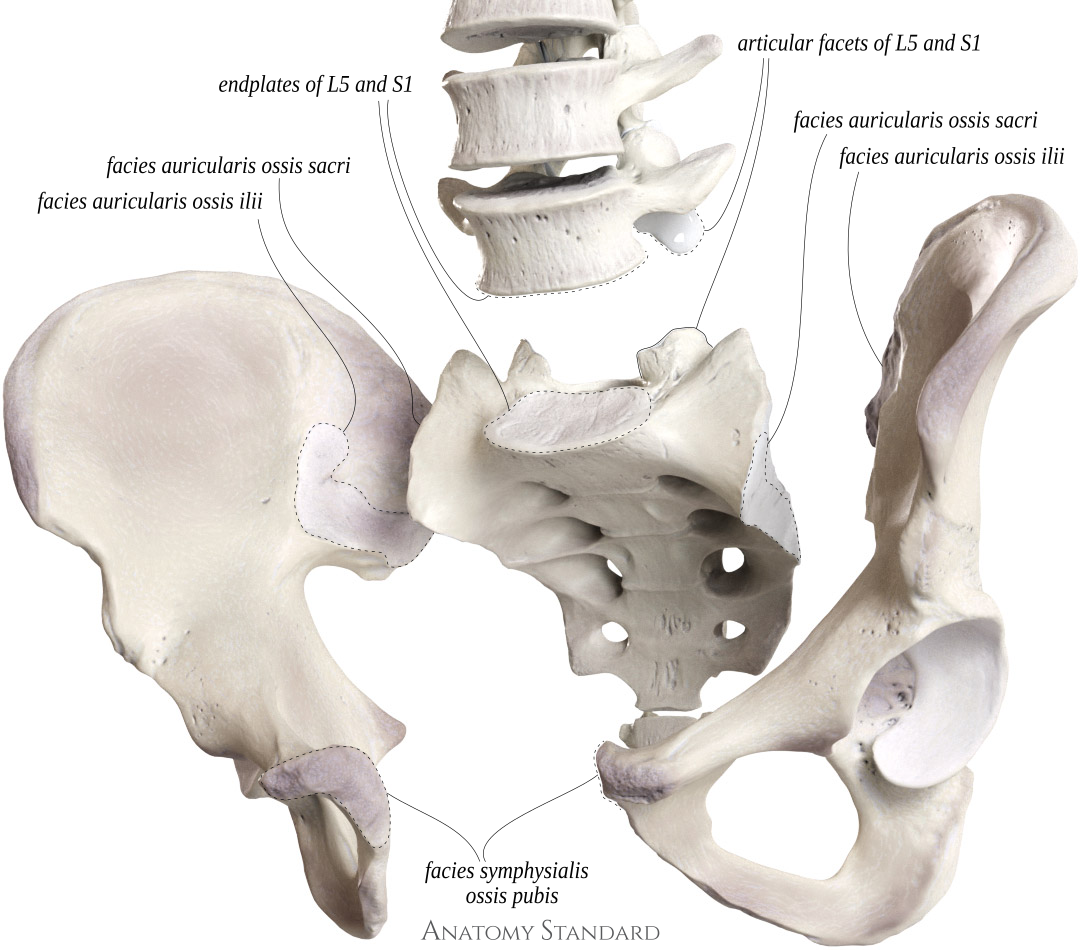
Click the image to view the articular surfaces of all pelvic joints. Note that the lumbosacral joint consists of components similar to other intervertebral joints: the L5 and S1 vertebrae are connected by an intervertebral disc and a zygapophyseal joint. The key difference from the lumbar vertebrae above it is a relatively dense network of ligaments connecting L5 (and partially L4) to the ilium. This additional ligamentous support results in more restricted lateral bending movement at this segment.
The list of terms:
Art. lumbosacralis – Lumbosacral joint, or lumbosacral symphysisArt. sacroiliaca – Sacroiliac joint
Symphysis pubica – Pubic symphysis
Promontorium – Promontory
Facies auricularis ossis sacri – Auricular surface of sacrum
Facies auricularis ossis ilii – Auricular surface of ilium
Facies symphysialis ossis pubis – Symphysial surface of pubis
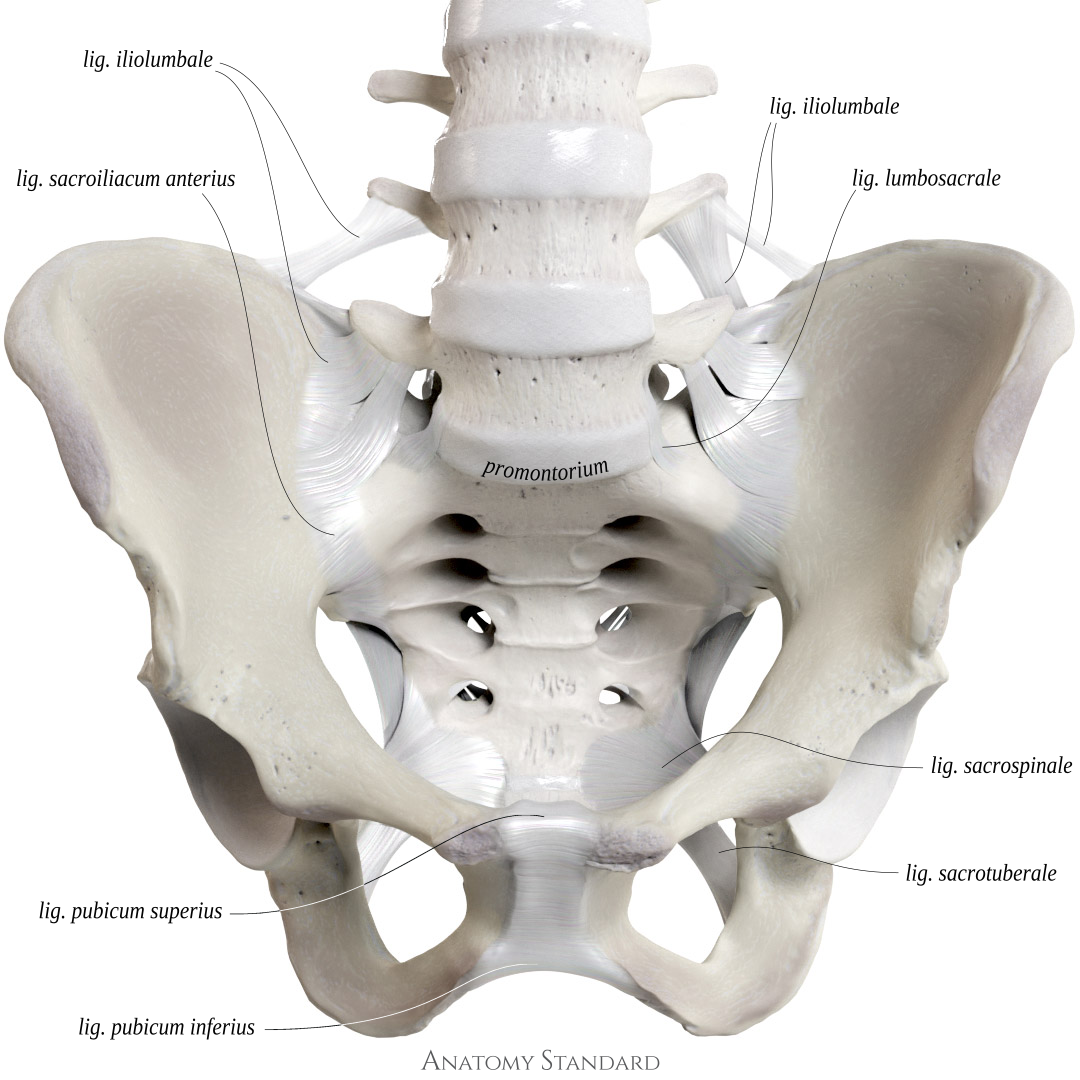
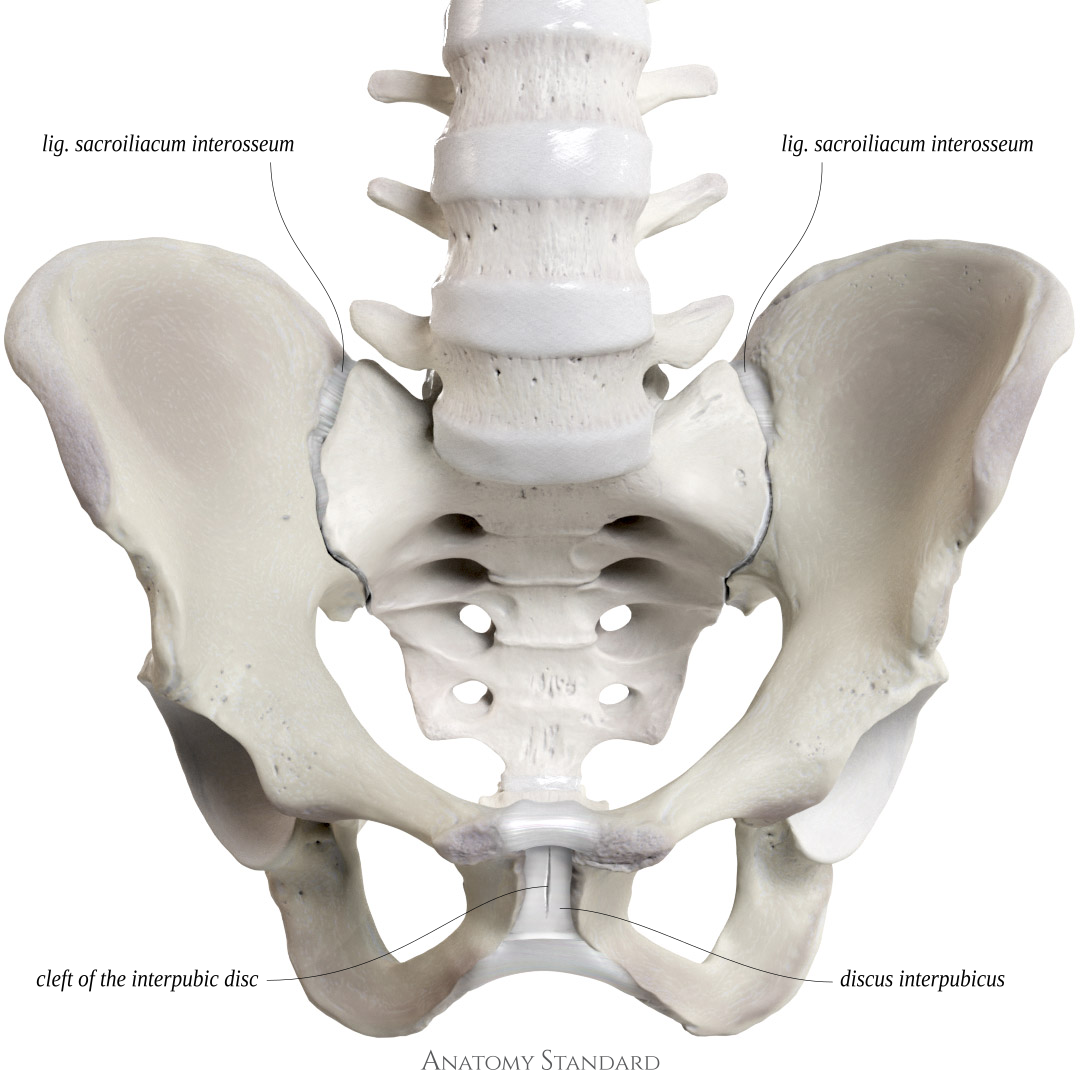
The iliolumbar ligaments connect the costal processes of L5 and L4 to the iliac wings and are continuous with the anterior sacroiliac ligaments. The pubic symphysis is encircled by ligaments, the thickest of which are located superiorly and inferiorly to the fibrocartilaginous disc1.
Click the image to view the cleft within the fibrous cartilage (interpubic disc) of the pubic symphysis and the deepest and strongest2 fibers of the sacroiliac ligaments—the interosseous sacroiliac ligaments.
The list of terms:
Lig. iliolumbale – Iliolumbar ligamentLig. lumbosacrale – Lumbosacral ligament
Lig. sacroiliacum anterius – Anterior sacroiliac ligament
Lig. sacroiliacum interosseum – Interosseous sacroiliac ligament
Promontorium – Promontory
Lig. sacrospinale – Sacrospinous ligament
Lig. sacrotuberale – Sacrotuberous ligament
Lig. pubicum superius – Superior pubic ligament
Lig. pubicum inferius – Inferior pubic ligament
Discus interpubicus – Interpubic disc
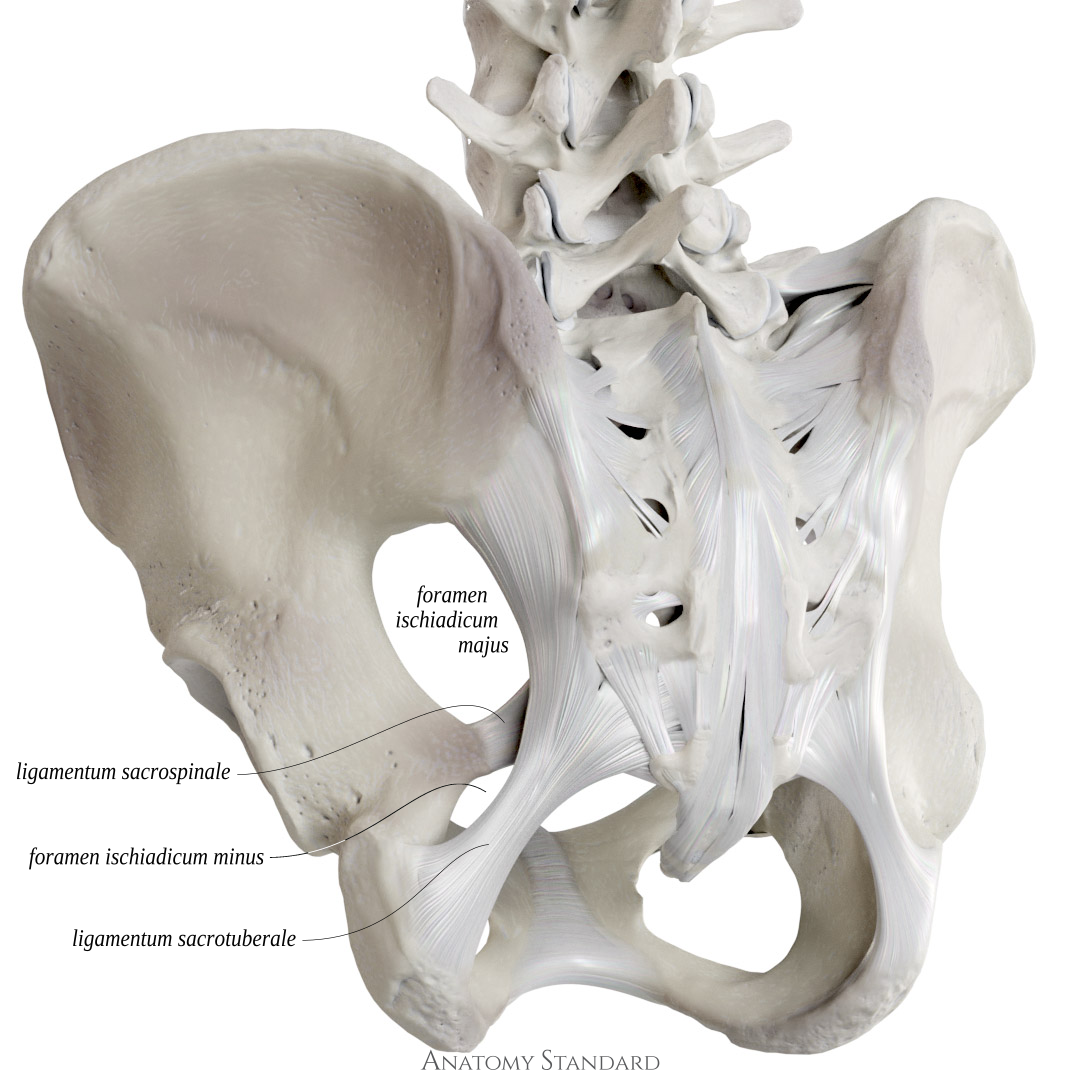
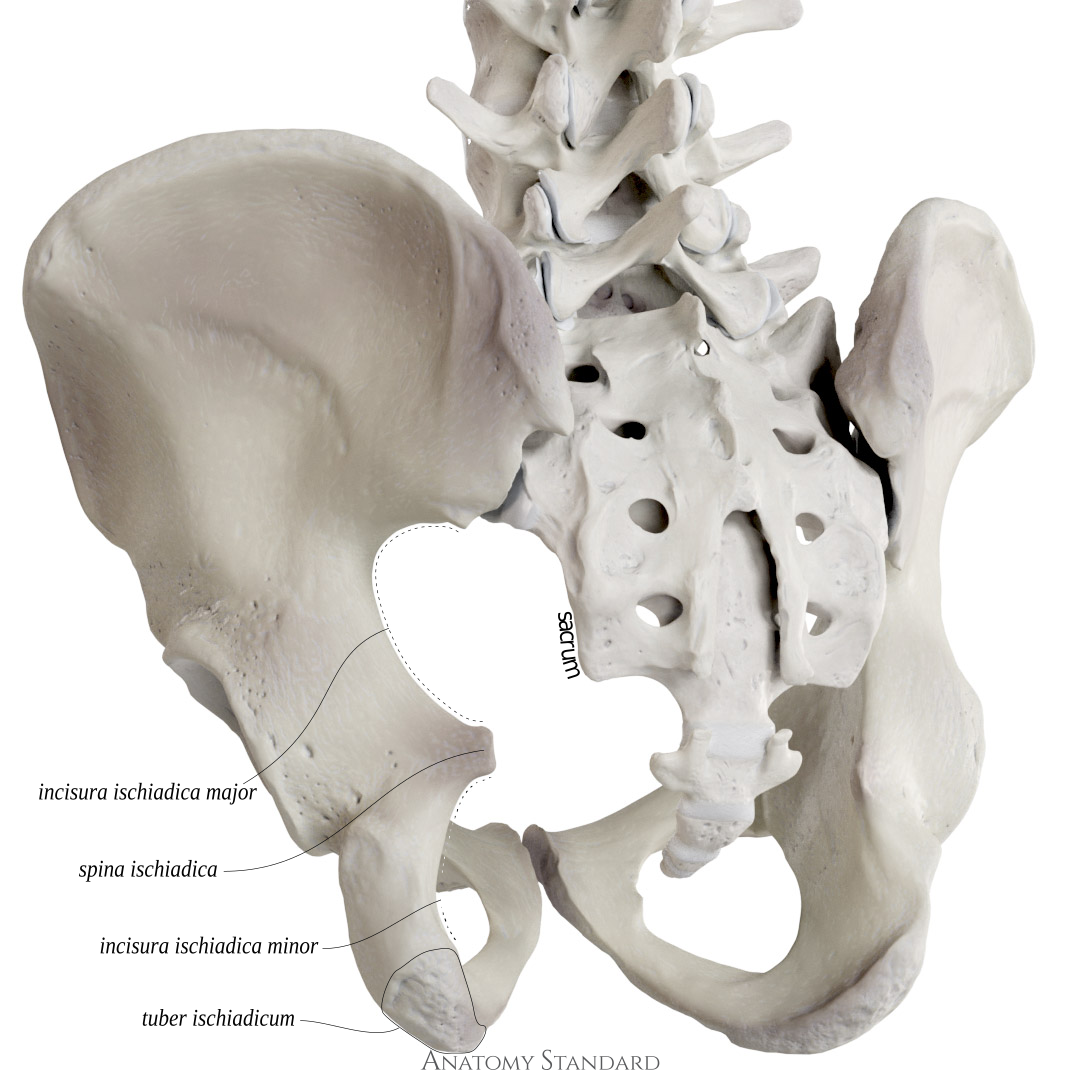
On the posterior aspect of the pelvis, a dense network of ligaments can be seen, almost completely covering the posterior surface of the sacrum. The most prominent is the sacrotuberous ligament, which is continuous with the posterior sacroiliac ligament. It connects the ischial tuberosity to the sacrum, ilium, and coccyx. Functioning as a kinematic chain, the sacrotuberous ligament helps transfer load from the spine and sacrum through the hamstring muscles to the lower limbs1, 2.
Another important feature is that the sacrotuberous and sacrospinous ligaments, together with the hip bone, form two separate openings: the greater and lesser sciatic foramina. These foramina serve as passageways for a variety of muscles, nerves, and blood vessels.
The list of terms:
Foramen ischiadicum majus – Greater sciatic foramenForamen ischiadicum minus – Lesser sciatic foramen
Lig. sacrospinale – Sacrospinous ligament
Lig. sacrotuberale – Sacrotuberous ligament
Incisura ischiadica major – Greater sciatic notch
Spina ischiadica – Ischial spine
Incisura ischiadica minor – Lesser sciatic notch
Tuber ischiadicum – Ischial tuberosity
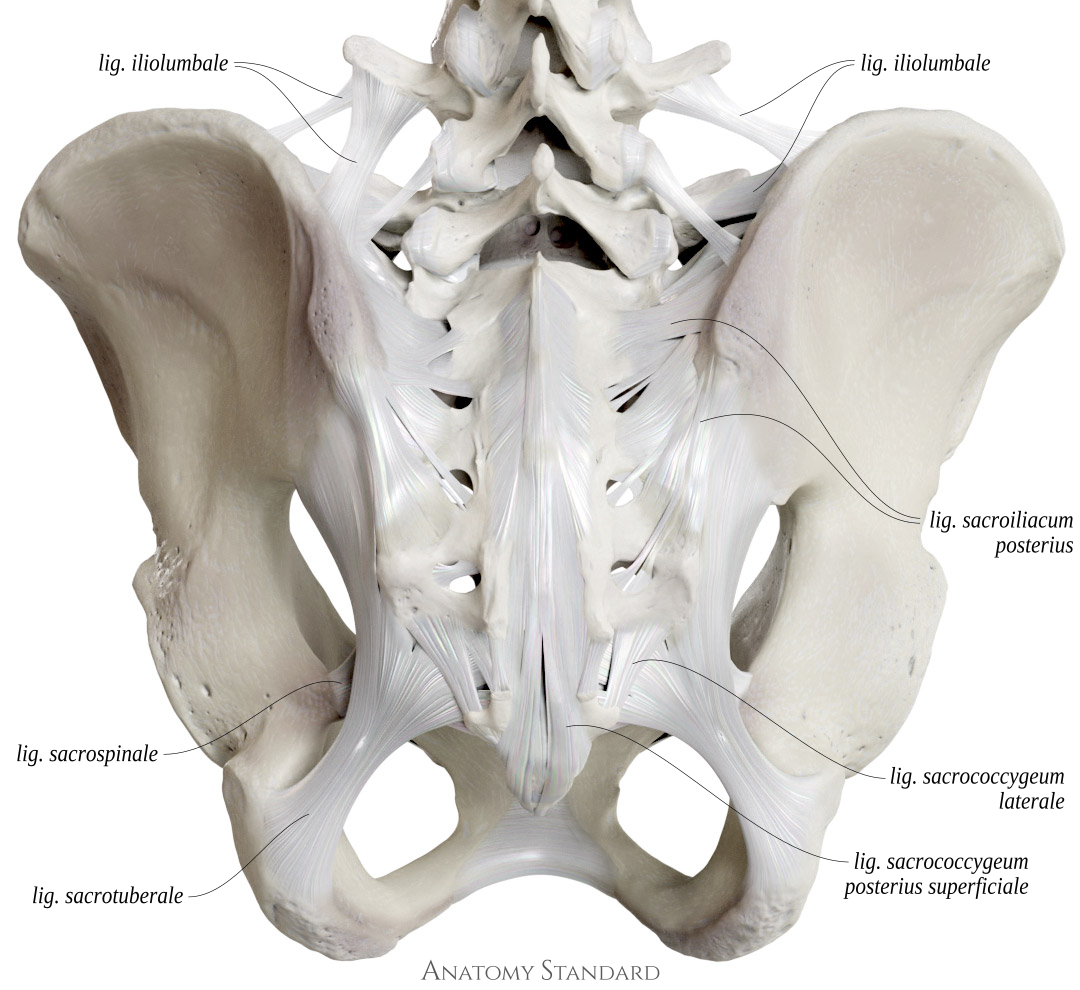
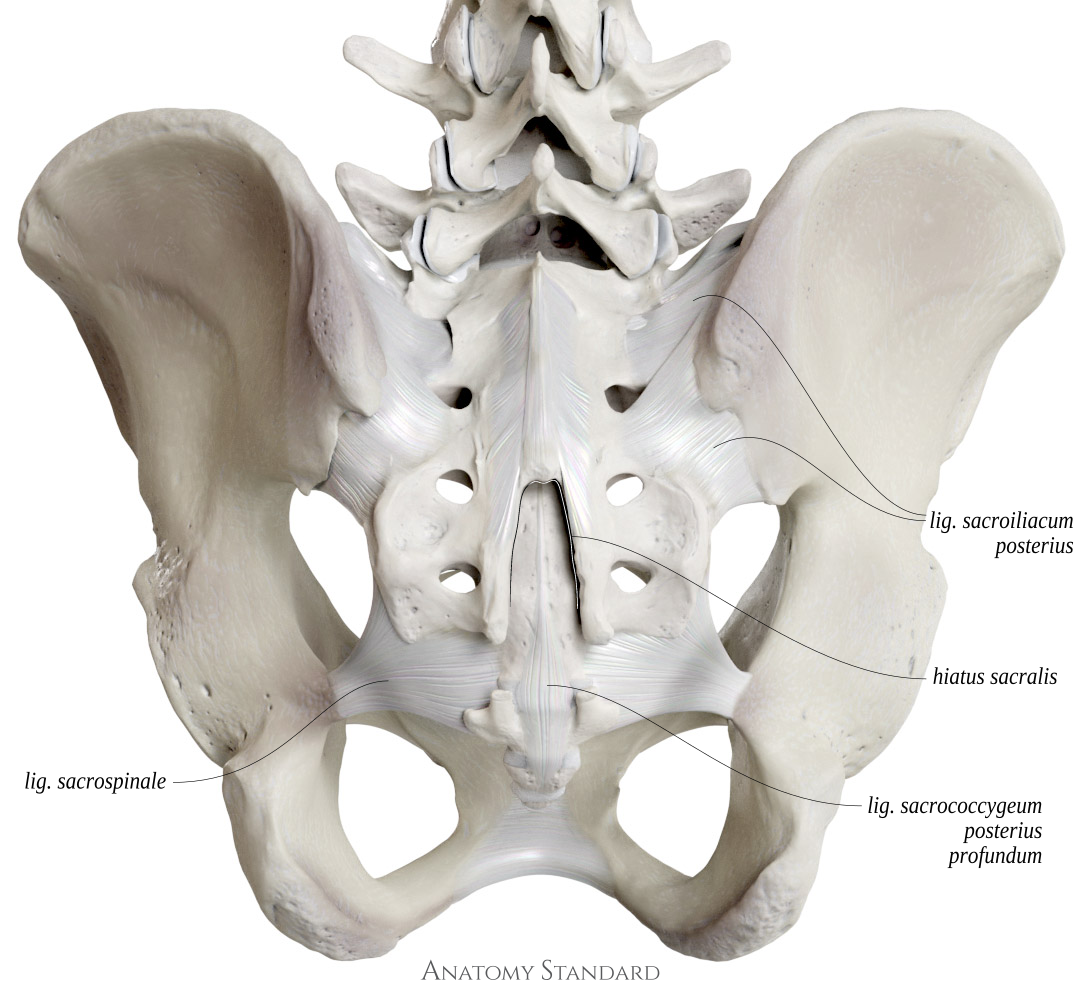
The posterior aspect reveals the layered structure of the posterior sacroiliac ligament. This ligament is continuous with the deeper interosseous sacroiliac ligament, as there is no strict border separating them1.
Click the image to examine the layers of the sacrococcygeal ligaments:
The list of terms:
Lig. iliolumbale – Iliolumbar ligamentLig. sacroiliacum posterius – Posterior sacroiliac ligament
Lig. sacrospinale – Sacrospinous ligament
Lig. sacrotuberale – Sacrotuberous ligament
Lig. sacrococcygeum posterius superficiale – Superficial posterior sacrococcygeal ligament
Lig. sacrococcygeum posterius profundum – Deep posterior sacrococcygeal ligament
Lig. sacrococcygeum laterale – Lateral sacrococcygeal ligament
Hiatus sacralis – Sacral hiatus